In today’s fast-evolving business environment, change is not just inevitable; it’s a necessity. Disruptive technologies have redefined entire industries, compelling organizations to adapt or risk irrelevance. However, change is no simple task. According to McKinsey research, two out of three change initiatives fail, with organizational culture being the most significant barrier. Successful companies recognize that to truly transform, they must address cultural issues head-on. That’s where Change Management comes into play.
At Bayer’s production sites in Turkey, I had the privilege of serving as a Change Manager for the implementation of the Monsanto Production System (MPS)—the organization’s unique adaptation of Lean Production principles, akin to the Toyota Production System. I focused on the human element of engagement, a cornerstone for successful change.
Initiating change began with a precise process developed in collaboration with PwC consultants in 2015. This model was already proven effective across many of Monsanto’s American sites before Bayer’s significant acquisition in 2018. The decision to use MPS for the remaining sites underscored the importance of a standardized yet flexible approach to enhancing productivity and efficiency.
The commencement of change did not come from a sudden switch in operations but began discreetly with a Cultural Diagnostic, conducted by external consultants. It involved detailed interviews with employees at all levels, using a structured questionnaire to shed light on how daily business functions, both at a company and individual level.
The results of this diagnostic were pivotal. The management team and consultants pored over the feedback to develop “I will” statements—commitments to address identified shortcomings while reinforcing the organization’s strengths. This affirmation from the management was a critical step in the change process, signaling a genuine dedication to shift along with the rest of the company.
Bayer’s approach was not just structural but deeply human, taking into consideration the emotional journey individuals embark upon during transformative periods. The Kubler-Ross Change Curve—developed by psychiatrist Elisabeth Kübler-Ross—interesting highlights the various stages of grieving during personal loss, which were later adapted to understand employee reactions to major changes. Thus, addressing the emotional levels of the workforce is an integral element of our Change Management strategy.
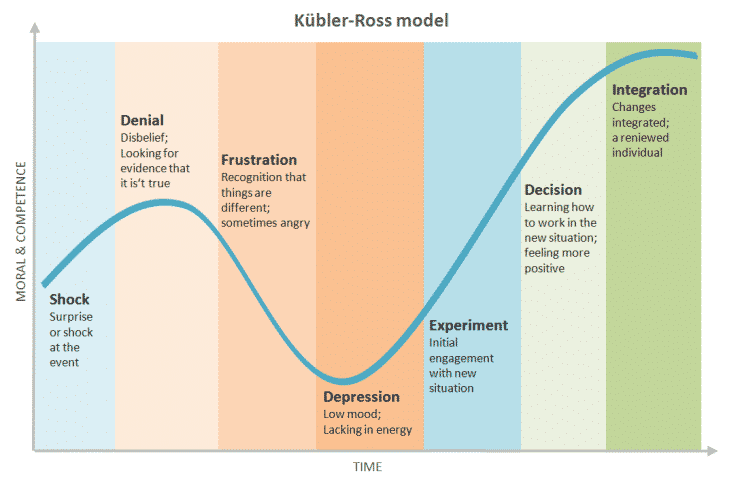
MPS implementation is expected to revolutionize our operations—reshaping meeting conduct, refining our perspective on KPIs, advancing problem-solving mechanisms, and ensuring workplace tidiness. To leverage these benefits, however, managers must also evolve their behaviors.
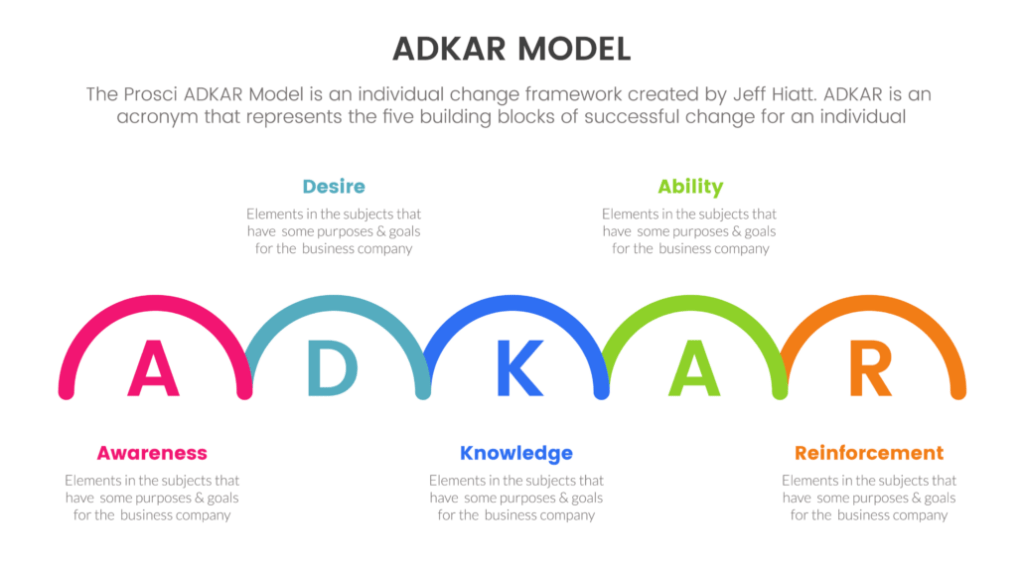
Behavioral changes were guided by the ADKAR model—Awareness, Desire, Knowledge, Ability, and Reinforcement. This framework helped ensure that all stakeholders understood the changes (Awareness), wanted to engage with the new system (Desire), knew how to function within it (Knowledge), possessed the capability to carry out their roles effectively (Ability), and received continuous support to maintain the shift (Reinforcement).
Overall, Bayer’s transition showcases that successful Change Management requires a strategic blend of cultural diagnostics, emotional intelligence, leadership commitments, and robust frameworks to guide the people of the organization through the change. Only by addressing both the systemic and human facets of transformation can an organization hope to not just survive but thrive amidst the inevitable turbulence of the modern business landscape.

 Öner TANK
Leave a comment